The story of Khe Sanh coffee, 1926–2026
Every coffee has a road behind it. This one begins far from Vietnam.
Coffee was born in the forests of Ethiopia and first brewed as a drink across the sea in Yemen. In the late 1600s, Dutch traders carried seedlings to the island of Java, in today's Indonesia. The plant did so well there that "java" became another word for coffee. Almost two centuries later, in 1857, French missionaries brought the first coffee plants to Vietnam.
The botanist who stayed
In 1918, a 30-year-old French plant collector named Eugène Poilane was walking the mountains of central Vietnam, gathering specimens for the Natural History Museum in Paris. Near the Lao border he passed through a highland valley called Khe Sanh, and he could not forget its deep red soil.
In 1926 he came back with coffee seeds and planted Khe Sanh's first coffee garden. The seeds were Chari, a hardy, broad-leaved coffee from the family Vietnamese farmers call cà phê mít, or "jackfruit coffee", because of its big leaves and fruity scent. Beside a stream near the Khe Sanh bridge he built a long wooden house, about 80 metres from end to end, and the hill above it became his drying yard. Soon other plantations spread across the valley, among the villages of the Bru-Vân Kiều people who had always lived there.
Poilane never left. He wrote that he no longer felt French but a man of Indochina, and he wished to be buried on a mountain in Khe Sanh. He died on Route 9 in 1964. Today his grave lies quietly in a bamboo grove behind a local family's home.
When the hills went silent
Four years later, in 1968, the Bru villages and coffee plantations around Khe Sanh were at the centre of one of the longest sieges of the Vietnam War. For months the hills were shelled and bombed, and for years after the war coffee was the last thing anyone could plant there.
Coming back to life
After the war, families from across Vietnam came to live on the red hills, and in 1978 a coffee farm was founded at Khe Sanh. In the 1990s, farmers replanted with Catimor, a hardy Arabica. Here the road loops back to the islands. Catimor gets its strength from the Timor Hybrid, a natural cross found in 1927 on the island of Timor, at the eastern end of the Indonesian archipelago. That was just one year after Poilane's first seeds went into Khe Sanh soil.
Some of the old jackfruit-coffee trees still stand in village gardens. Bru-Vân Kiều families keep them as a memory of the first plantations.
What the hills give the cup
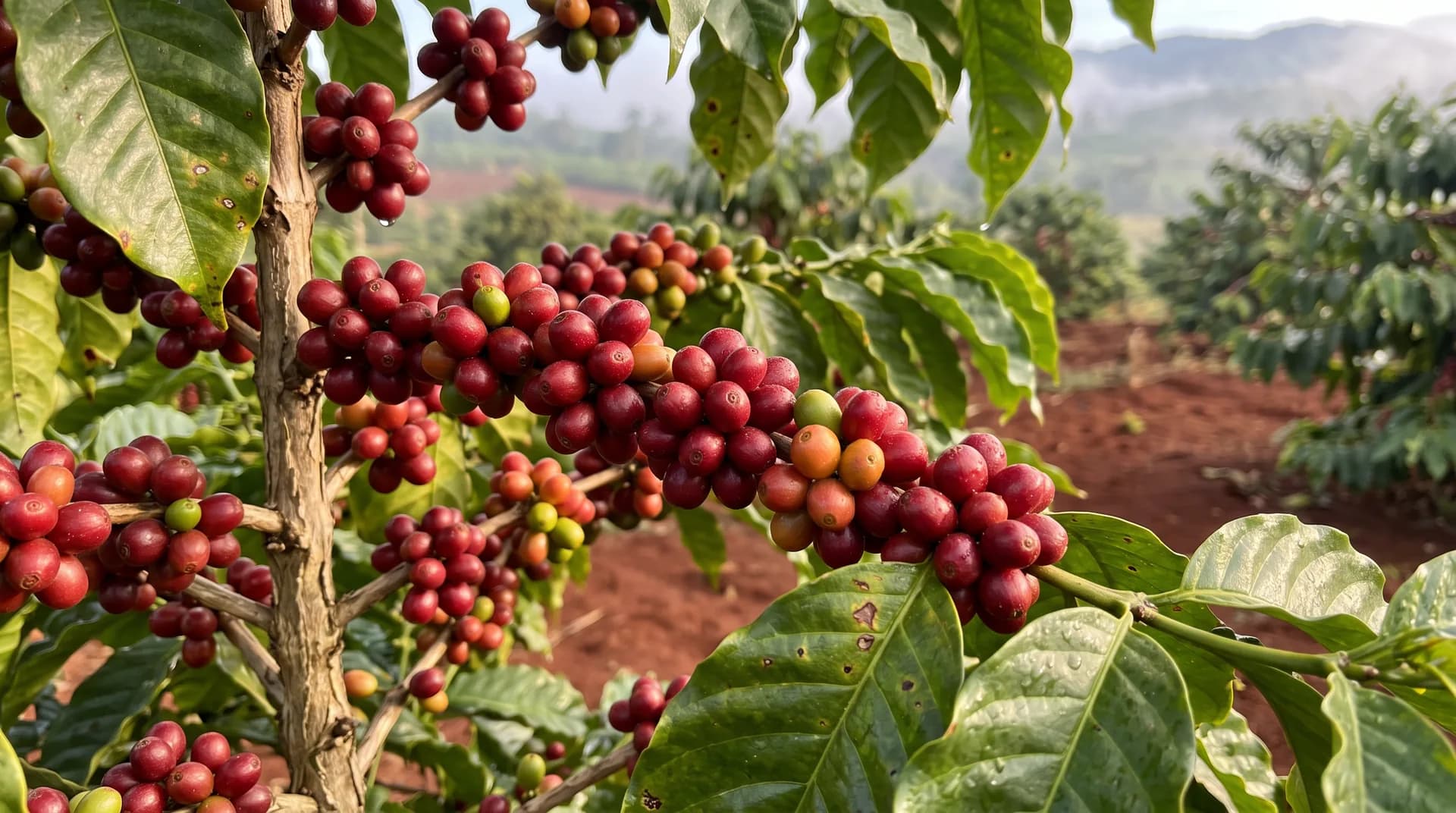
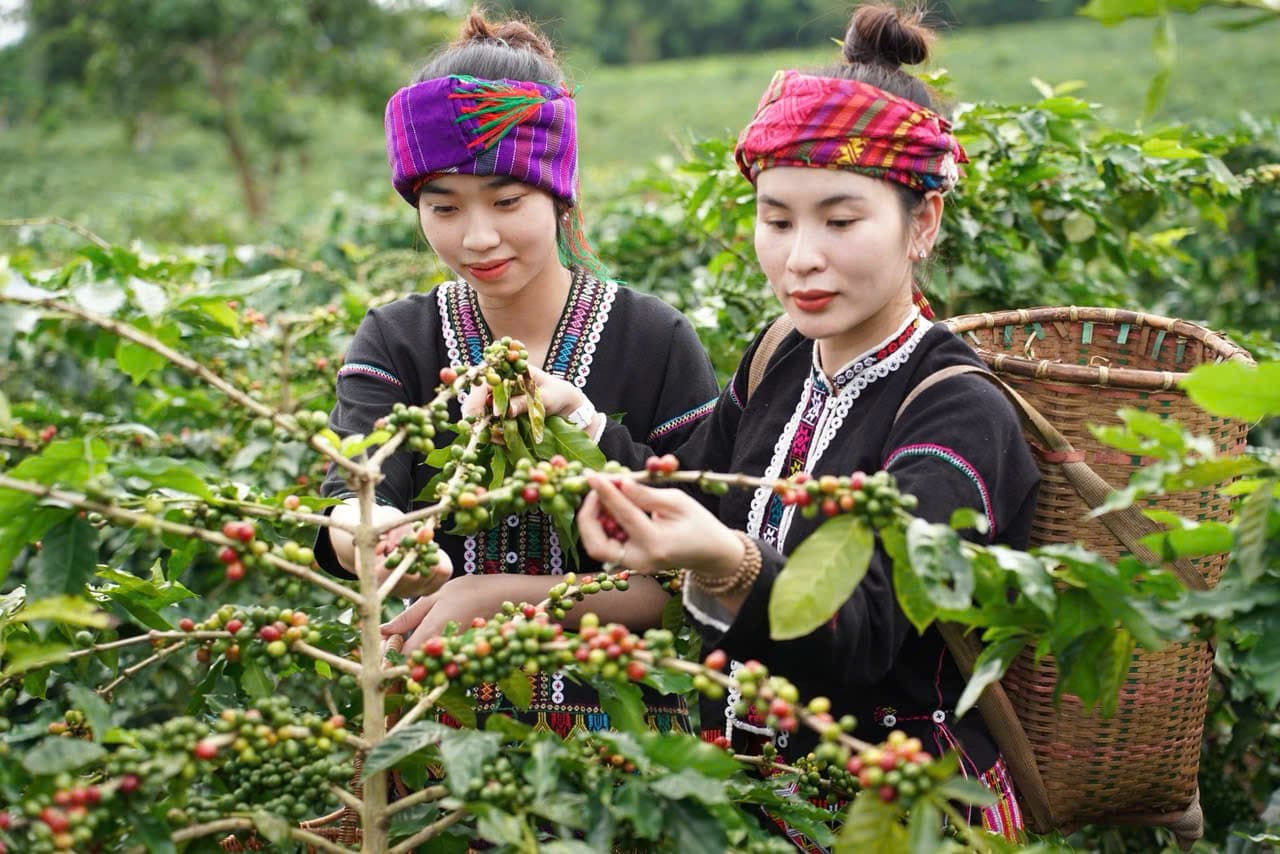
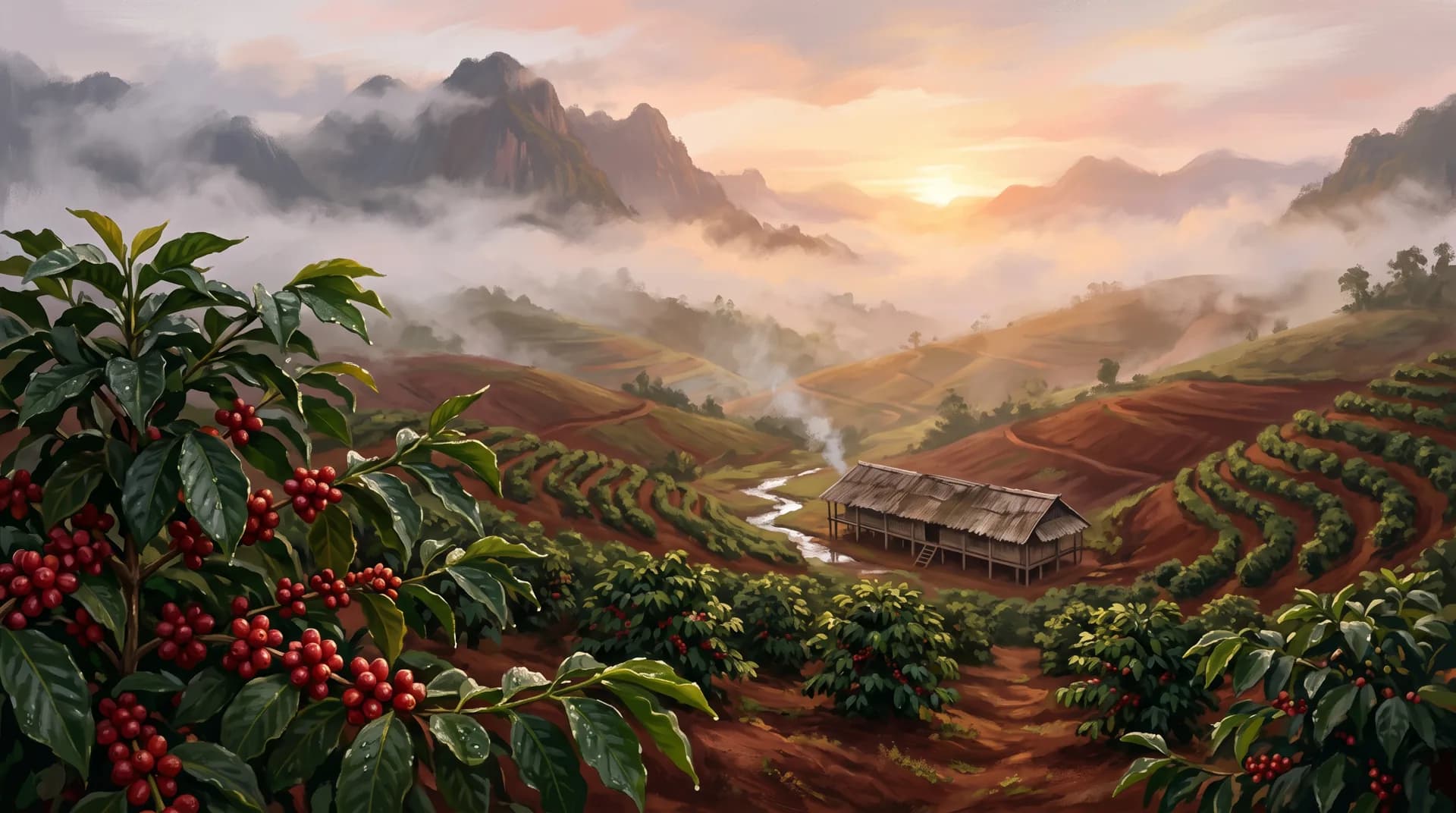
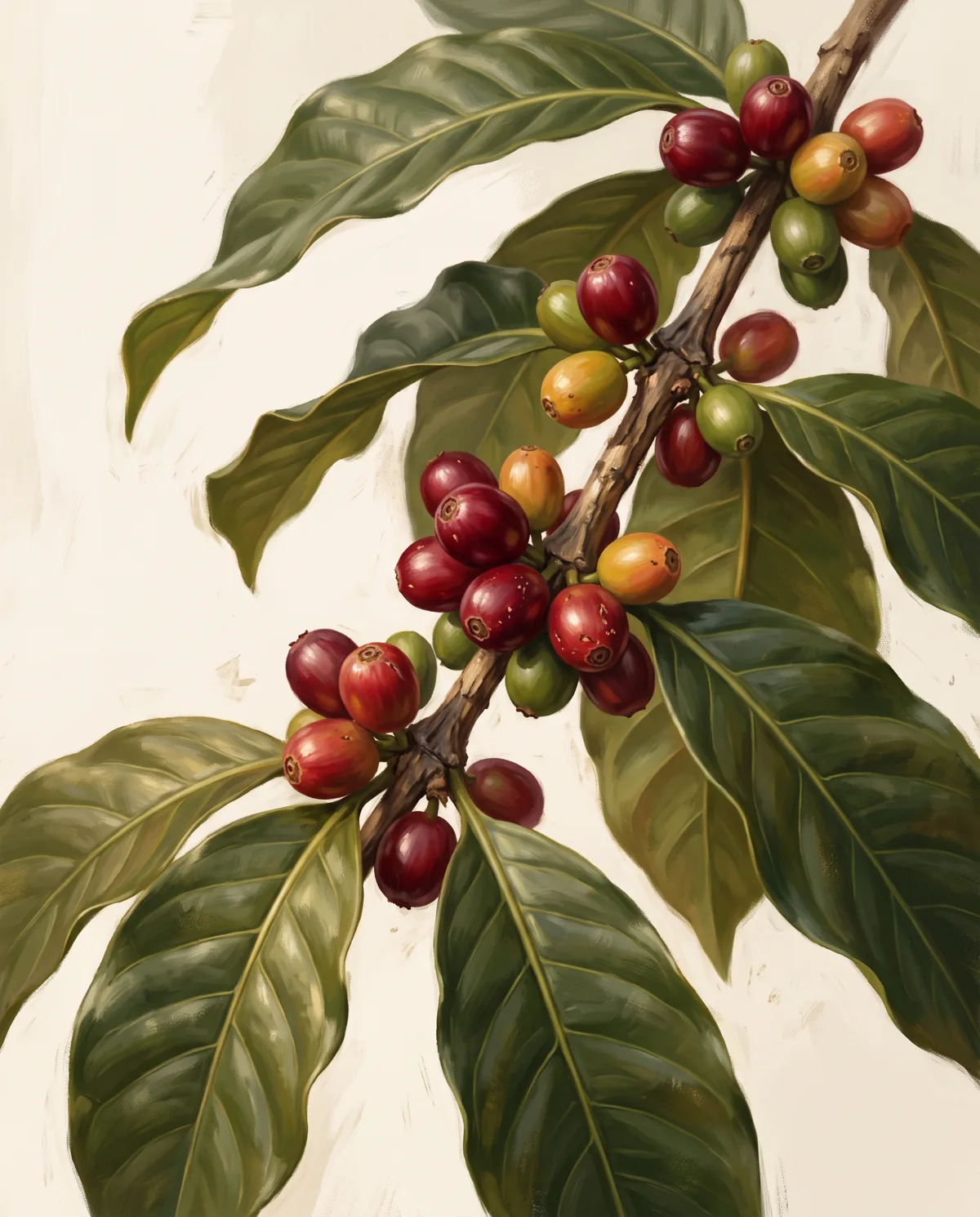
Khe Sanh isn't one of the world's highest coffee regions, but its nights are cool. Days and nights can differ by 7–9°C, so the cherries ripen slowly and build up sugar. The harvest runs from late October into January. The coffee is known for its fragrance, gentle acidity and long, sweet finish.
Today Khe Sanh grows nearly 5,000 hectares of Arabica, alongside Robusta and the rare Liberica. Its farmers have turned the name of a battlefield into the name of a coffee. In October 2026 the region marked 100 years of coffee under a simple theme: the taste of peace.
Our part of the story
Every LAN Coffee Origins bean is grown on these red hills. That includes our Arabica, our Robusta and our Liberica, a cousin of the jackfruit coffee that started it all. When you brew one, you're tasting a road that runs from Ethiopia and Yemen, through Java and Timor, to a valley where a botanist planted seeds a century ago, and where people chose to keep planting.